

Santa Cruz Mission State Historic Park is a downtown Santa Cruz historic site on Mission Hill, preserving the only surviving building from Mission Santa Cruz. It offers exhibits and tours that interpret the mission experience through Ohlone and Yokuts perspectives, making it a worthwhile stop among things to do in downtown Santa Cruz.
- Location: 144 School Street, on Mission Hill.
- From a downtown Santa Cruz motel: about a 17-minute walk from this motel in downtown Santa Cruz.
- Typical hours: Thursday, Friday, Saturday, and Monday, 10 a.m.–4 p.m.
- Interpretation: Guided or self-guided tours of the adobe exhibits.
Where is Santa Cruz Mission State Historic Park?
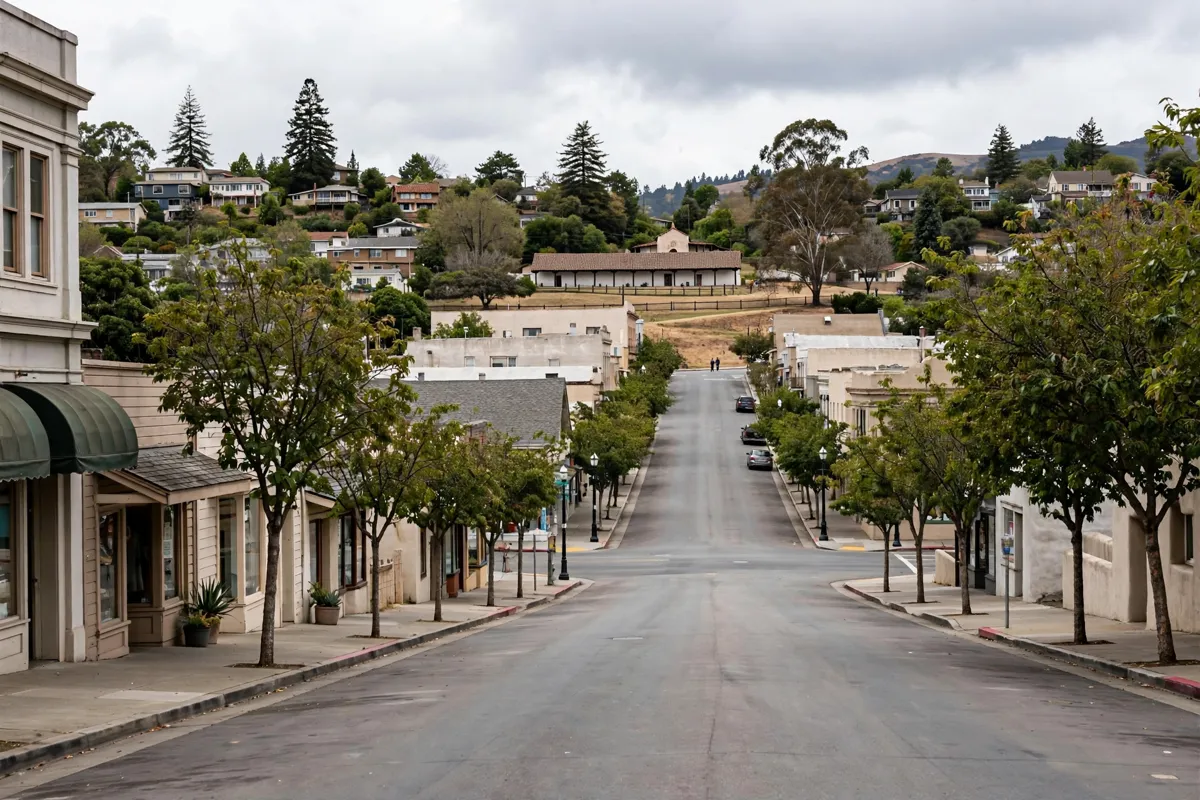
Santa Cruz Mission State Historic Park is in downtown Santa Cruz on Mission Hill, at 144 School Street. California State Parks directs visitors to take Mission Street to Mission Plaza; the adobe is one block from the plaza on School Street.
The Mission Hill location makes the park easy to include in a downtown walking visit. A city walking-tour guide also identifies the Santa Cruz Mission Chapel and Reliquary at 120 Emmet Street, a half-scale replica of the original mission church built in 1932.
What does the historic site represent?
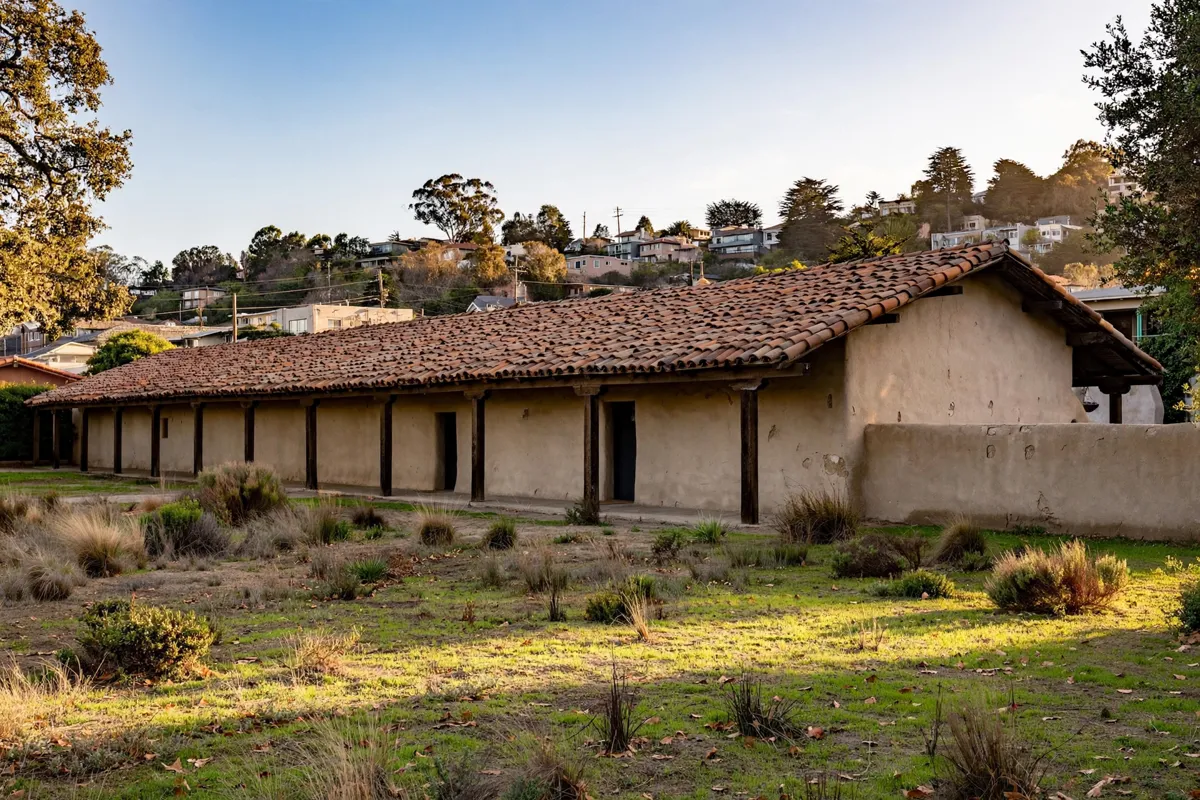
The park preserves the only surviving building from Mission Santa Cruz: an adobe built in the early 1800s that housed Indigenous residents and their families. Mission Santa Cruz, also called Misión la Exaltación de la Santa Cruz, was founded by the Franciscans in 1791.
The adobe has seven rooms. Archaeological excavations in the 1980s identified it as housing for Indigenous families. The park’s interpretation presents the mission experience through the perspectives of Ohlone and Yokuts people, helping place the building’s history in a broader context.
What can you see and do at the park?
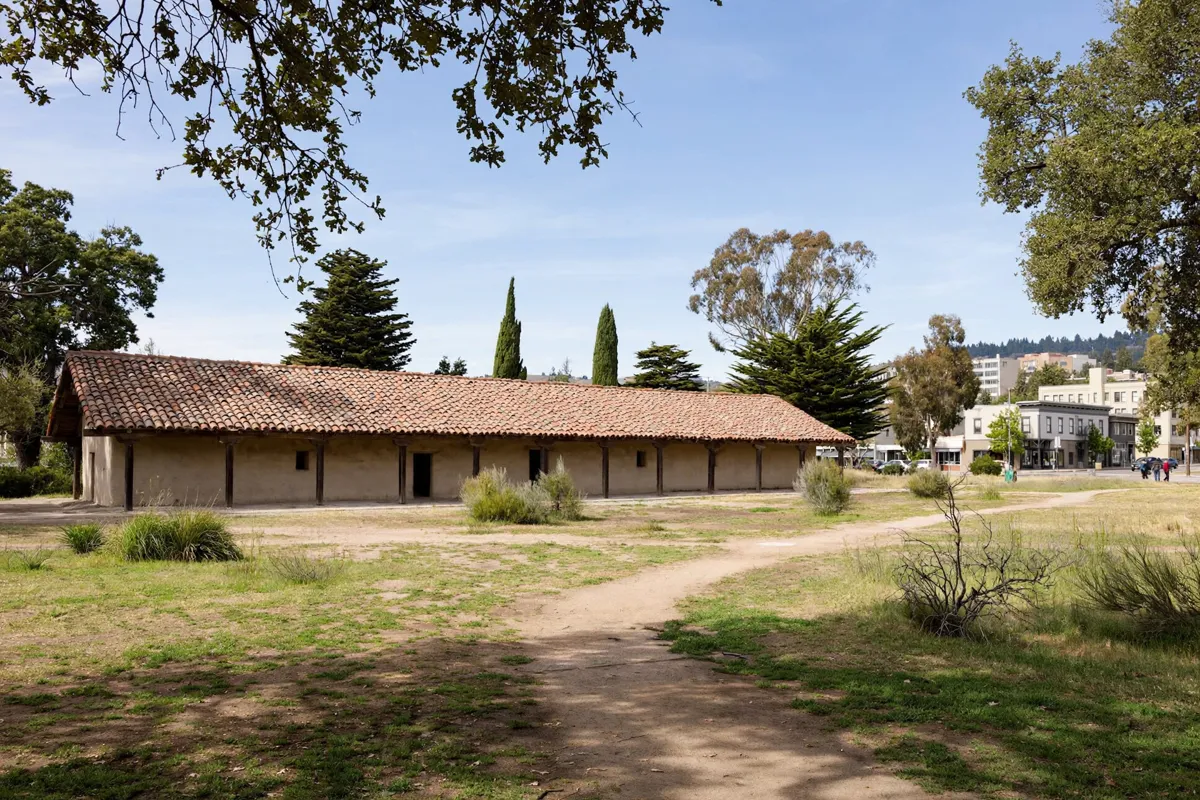
The adobe’s exhibits bring together a wall-sized movie projection, information about Ohlone lifeways before European contact, archaeological excavations, and the histories of the Rodriguez and Neary families. You can see the exhibits on a guided tour or explore them at your own pace on a self-guided tour.
The park also offers a virtual exhibit, “For Whom the Bell Tolls: Changing Symbolism of California Mission Bells, 1769 to today.” Facilities and activities include parking, restrooms, drinking water, picnic areas, exhibits and programs, guided tours, family programs, museums, and geocaching.
For access planning, the historic doors are slightly narrow and have raised thresholds, but the Mission is generally accessible, and most exhibits and interpretive panels are accessibly designed. The accessible picnic area has an accessible table and van parking space, with an accessible restroom nearby. Dogs are allowed in the park but not inside buildings.
How do you walk to the Mission from downtown Santa Cruz?
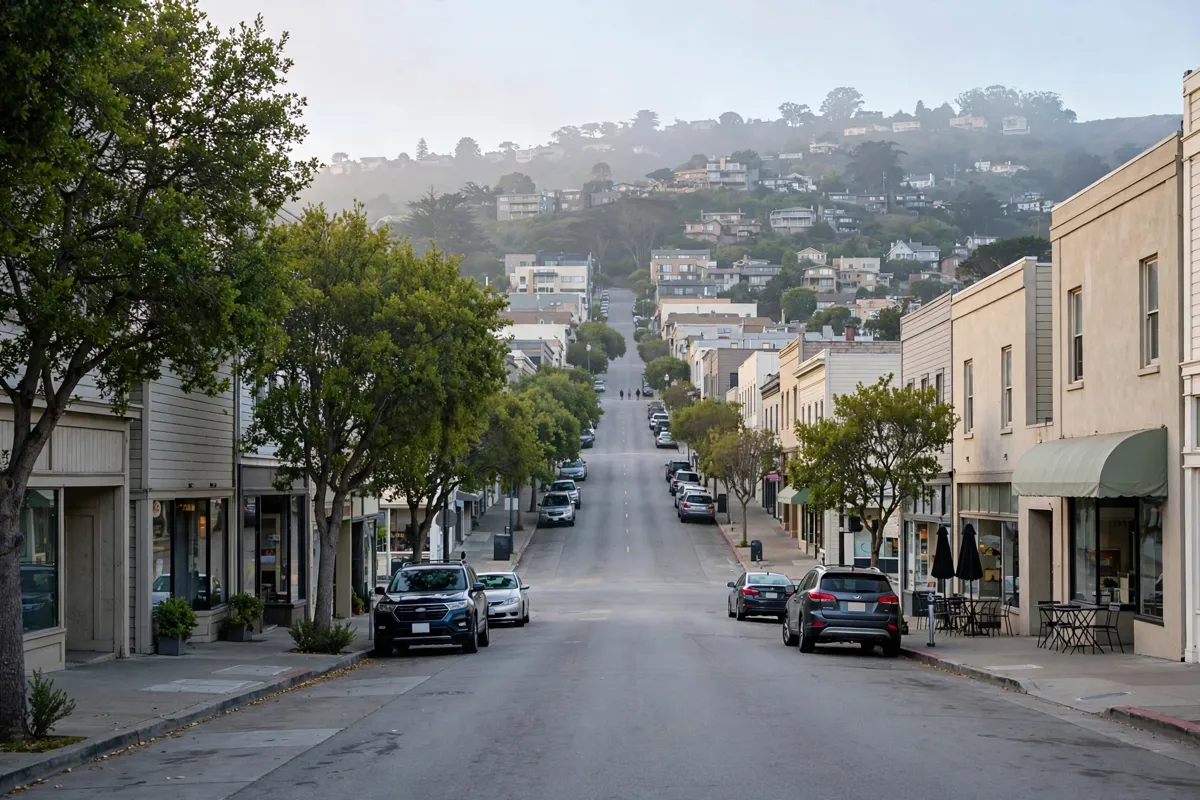
From the downtown area, follow Mission Street to Mission Plaza, then continue one block to the adobe on School Street. The walk from downtown Santa Cruz’s streets and landmarks brings you onto Mission Hill and directly to the historic site.
Before you go: Hours can change, so check the official site before you go. California State Parks advises visitors with disabilities who need assistance to call (831) 425-5849 before arrival.
For a broader history-focused outing, you can pair the Mission with local museums; the downtown Santa Cruz museum options provide another way to plan time around the city’s history and culture.
FAQs
Is Santa Cruz Mission State Historic Park open every day?
No. The park is closed Tuesday, Wednesday, and Sunday, as well as Thanksgiving Day and Christmas Day. Check California State Parks before your visit for current details.
Can you visit the adobe without joining a guided tour?
Yes. The adobe exhibits can be seen on either a guided tour or a self-guided tour.
Is the park accessible?
The Mission is generally accessible, though its historic doors are slightly narrow and its thresholds are raised. Most exhibits and interpretive panels are accessibly designed.
Are dogs allowed at the park?
Dogs are allowed in the park but not inside buildings.