

UC Santa Cruz’s Coastal Science Campus is a 100-acre marine research and education site on a seaside bluff on the west side of Santa Cruz, beside Monterey Bay National Marine Sanctuary. Its research buildings and Younger Lagoon Natural Reserve make it a distinct coastal destination, but check access details before planning a visit.
- Location: West side of Santa Cruz, a short distance from UC Santa Cruz’s main campus.
- Campus entrance: At the west end of Delaware Avenue.
- Getting around: METRO Route 20 and the Westside Connector serve the area.
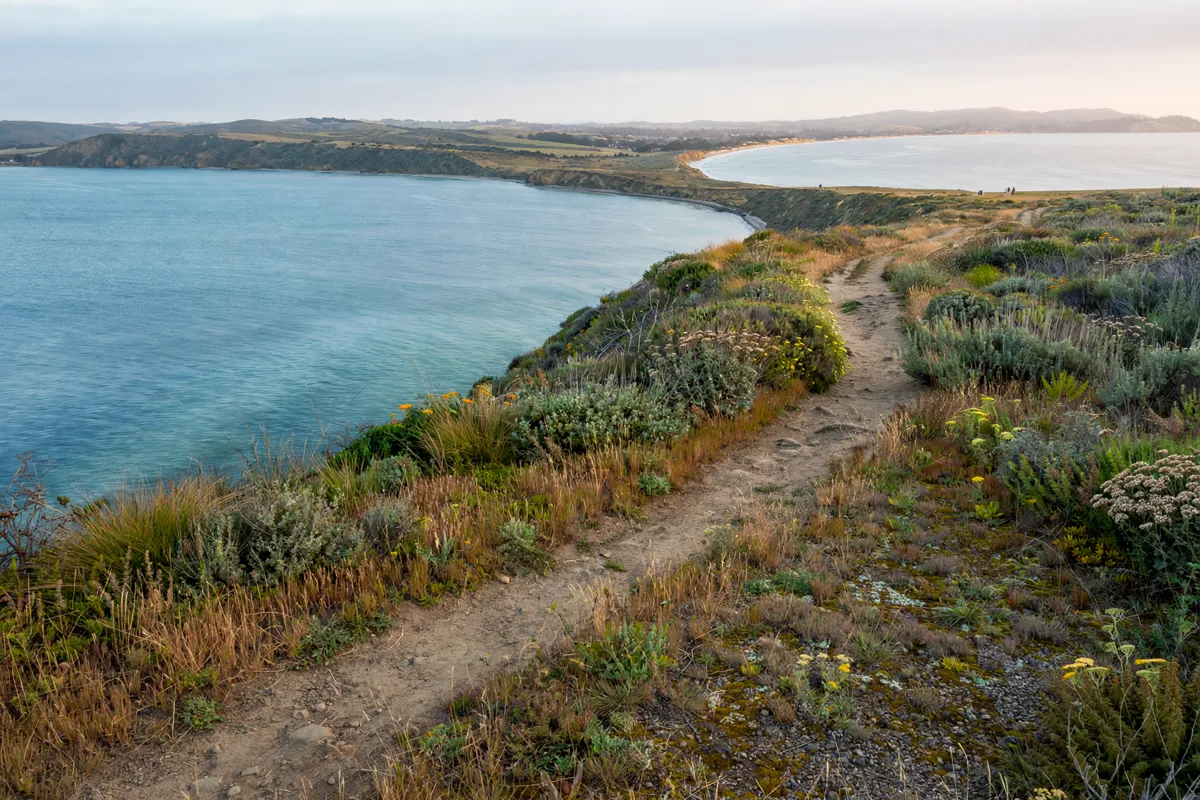
Where the Coastal Science Campus is
The Coastal Science Campus sits on a seaside bluff on the west side of Santa Cruz, a short distance from UC Santa Cruz’s main campus. The site covers 100 acres at the edge of Monterey Bay National Marine Sanctuary.
It is a working research and education campus rather than a single attraction. Its facilities include the Joseph M. Long Marine Laboratory, Seymour Marine Discovery Center, Ocean Health Building, Coastal Biology Building, laboratories for NOAA Fisheries and the California Department of Fish and Wildlife, and Younger Lagoon Natural Reserve.
What is the campus used for, and can the public visit?
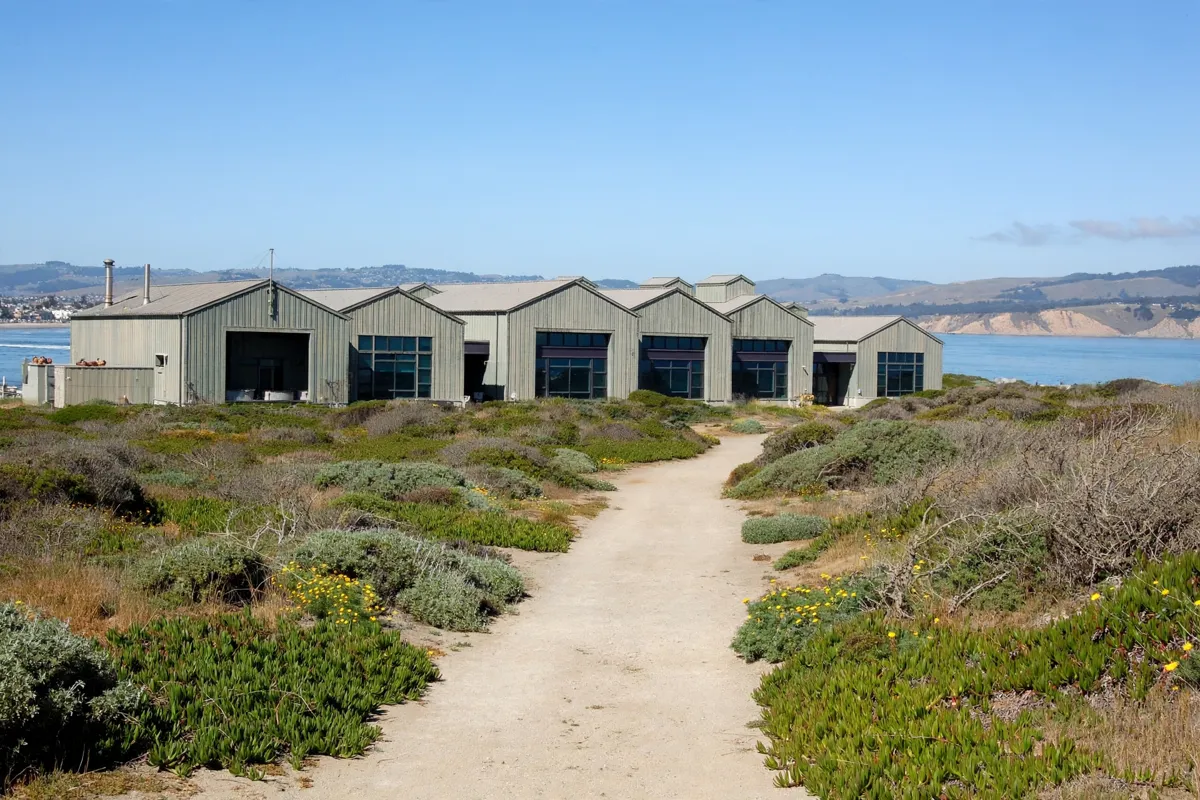
The campus supports research and education in coastal conservation, marine biology, ecology, habitat restoration and environmental policy. Its range of facilities reflects that purpose: Long Marine Laboratory was established as a coastal research facility in 1978, while the Ocean Health Building opened in 2001 with laboratories, offices and meeting rooms across 23,000 square feet. The Coastal Biology Building was completed and occupied in 2017 after groundbreaking in 2015.
The Seymour Marine Discovery Center is on campus; check with the center directly for its current public hours and admission details. Don’t assume that research buildings or the reserve are open for general visits; confirm current visitor access with the relevant UC Santa Cruz facility before setting out.
How do you get to the campus from downtown Santa Cruz?
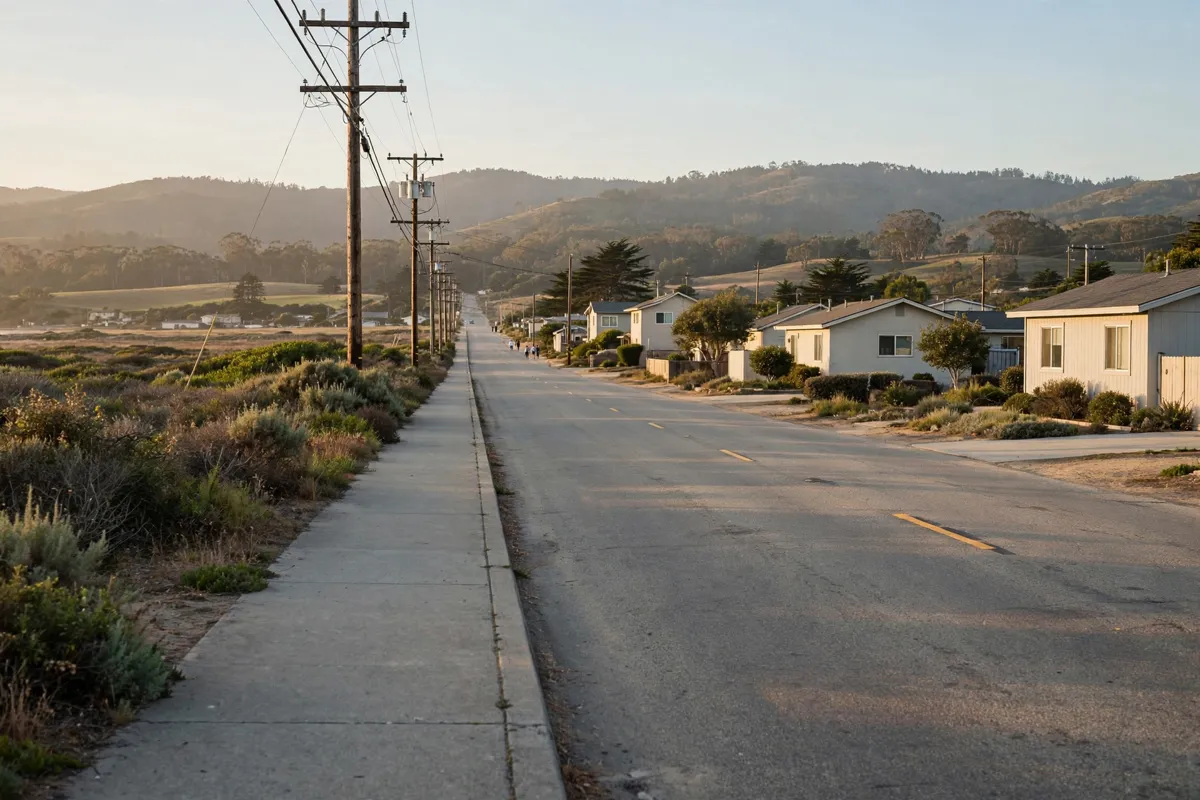
Enter the campus at the west end of Delaware Avenue. NOAA Fisheries gives the address of its Santa Cruz Laboratory as 110 McAllister Way, Santa Cruz, CA 95060.
Santa Cruz Metro has a stop on McAllister in front of the NOAA laboratory and the UCSC Coastal Biology Building. UC Santa Cruz’s Westside Connector shuttle serves the Westside Research Park and Coastal Science Campus, supplementing METRO Route 20. Routes and service can change, so check the transit operators’ official information before travelling.
If you’re planning time in town as well, the downtown Santa Cruz walking guide covers the area around the city centre.
What should you check before visiting?
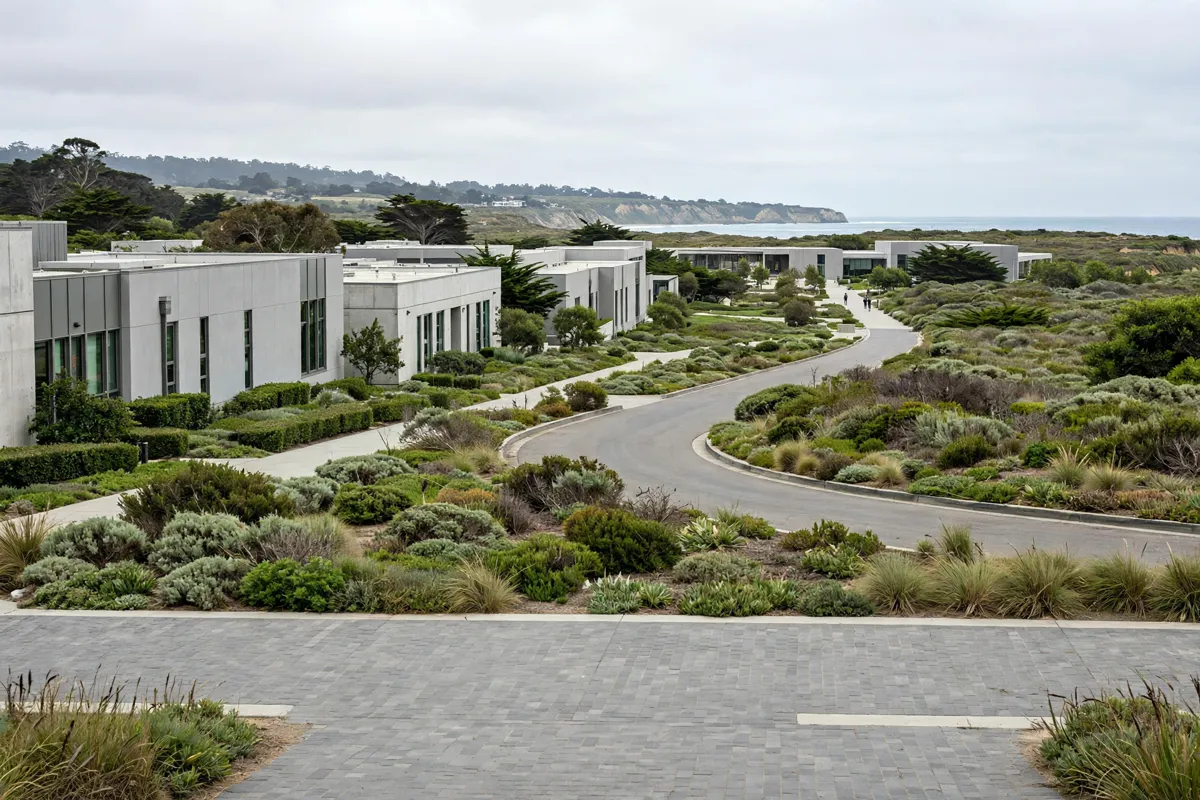
Confirm whether the specific facility or reserve you plan to visit is open to the public, and check its current access arrangements before leaving. The Seymour Marine Discovery Center is on campus, but its visitor schedule and admission details should be verified directly.
Parking is limited and varies by lot. NOAA Fisheries identifies paid parking in UCSC Lot 206, north of the Coastal Biology Building, with permits available from a pay station.
NOAA’s own lot has one visitor space; other NOAA parking requires a permit. UCSC reserve visitor information identifies Lot 207 near the campus entrance as a visitor lot with free three-hour parking for coastal-access visitors. Check the official site before you go.
UC Santa Cruz also offers registered, student-led general walking tours of its main campus, which take about 90 minutes. These are main-campus tours, not tours of the Coastal Science Campus.
What can you combine with the campus area?
The Coastal Science Campus is about a 7-minute drive from Bay Front, a Santa Cruz motel.
Younger Lagoon Natural Reserve is part of the Coastal Science Campus, and UCSC identifies Lot 207 as a visitor lot for coastal-access visitors. Check the reserve’s visitor guidance before treating campus parking as access to the shoreline.
For a broader day that links downtown and the coast, the one-day Santa Cruz itinerary from downtown to the coast offers a way to plan those areas together.
FAQs
Is the Coastal Science Campus the same as UC Santa Cruz’s main campus?
No. It is a separate 100-acre site on Santa Cruz’s west side, a short distance from the main campus.
Does the campus have public transit access?
Yes. METRO Route 20 and the Westside Connector serve the campus area, and a Metro stop is on McAllister in front of the NOAA laboratory and Coastal Biology Building.
Can you visit the Seymour Marine Discovery Center?
It is a facility on the campus, but confirm its current public hours and admission arrangements with the center before visiting.